

Guides4 June 20268 min read
Wood Slat Wall Panels: An Architect's Guide to Widths, Profiles and Acoustics
150 mm or 250 mm? Solid, hollow, or perforated? A working guide to reading slat profiles the way a joiner does — and knowing when acoustics should drive the choice.
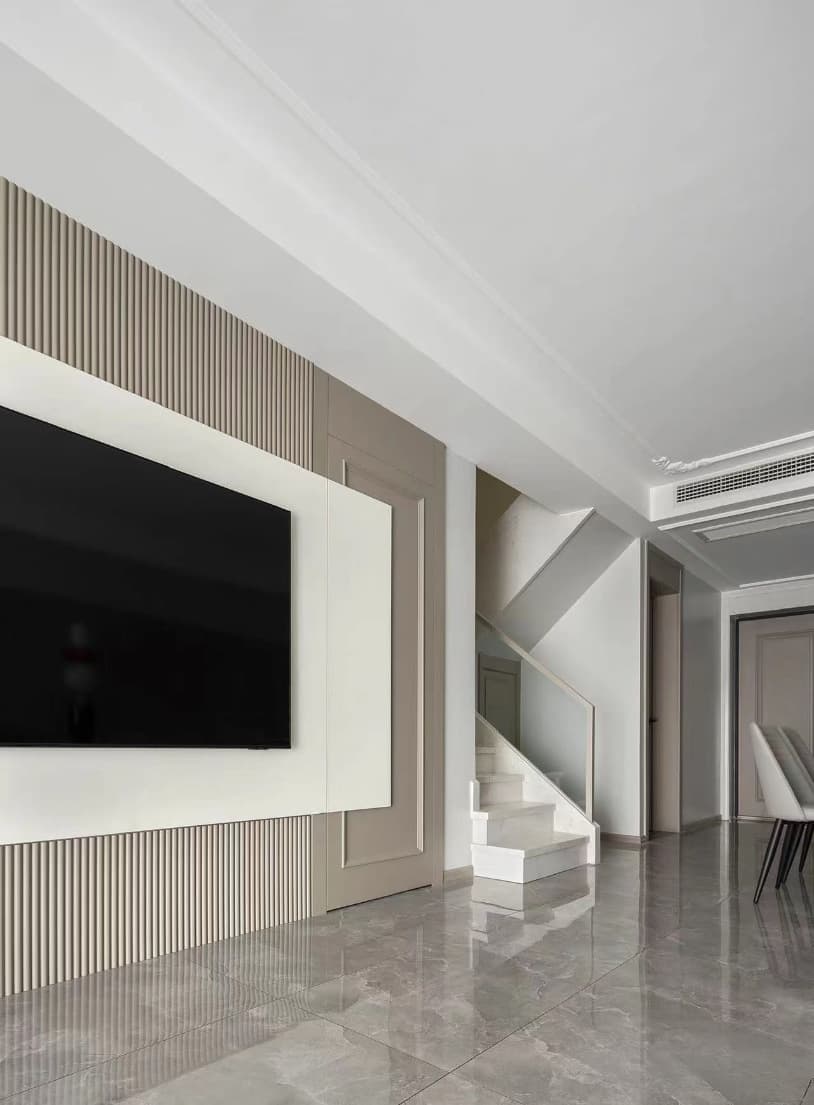
Slat walls fail in specification more often than in installation. The profile that looked right on a moodboard arrives too fine for the room's scale, or too coarse for its joinery. Reading the numbers first avoids the re-order.
Width sets the rhythm. 150 mm profiles read as texture — good for corridors and small rooms. 160 mm is the workhorse: wide enough to register as line-work, narrow enough to turn corners gracefully. Above 200 mm the slat becomes an event; castell and statement profiles belong on walls that have room to breathe.
Construction sets the performance. Solid sections carry the knock and weight of millwork. Hollow sections keep the face and lose the kilograms — relevant on ceilings. Perforated faces over a chamber are the acoustic play: DECORA's 210 and 250 acoustic slats carry an NRC rating up to 0.70.
The emission class matters more than it used to. Bamboo-wood fibre bonded to E0/ENF keeps formaldehyde at the strictest class — the specification line your hospitality client's ESG report will quote.
- wood slat wall panels
- slat panel widths
- acoustic slat panels
- bamboo wood panels